
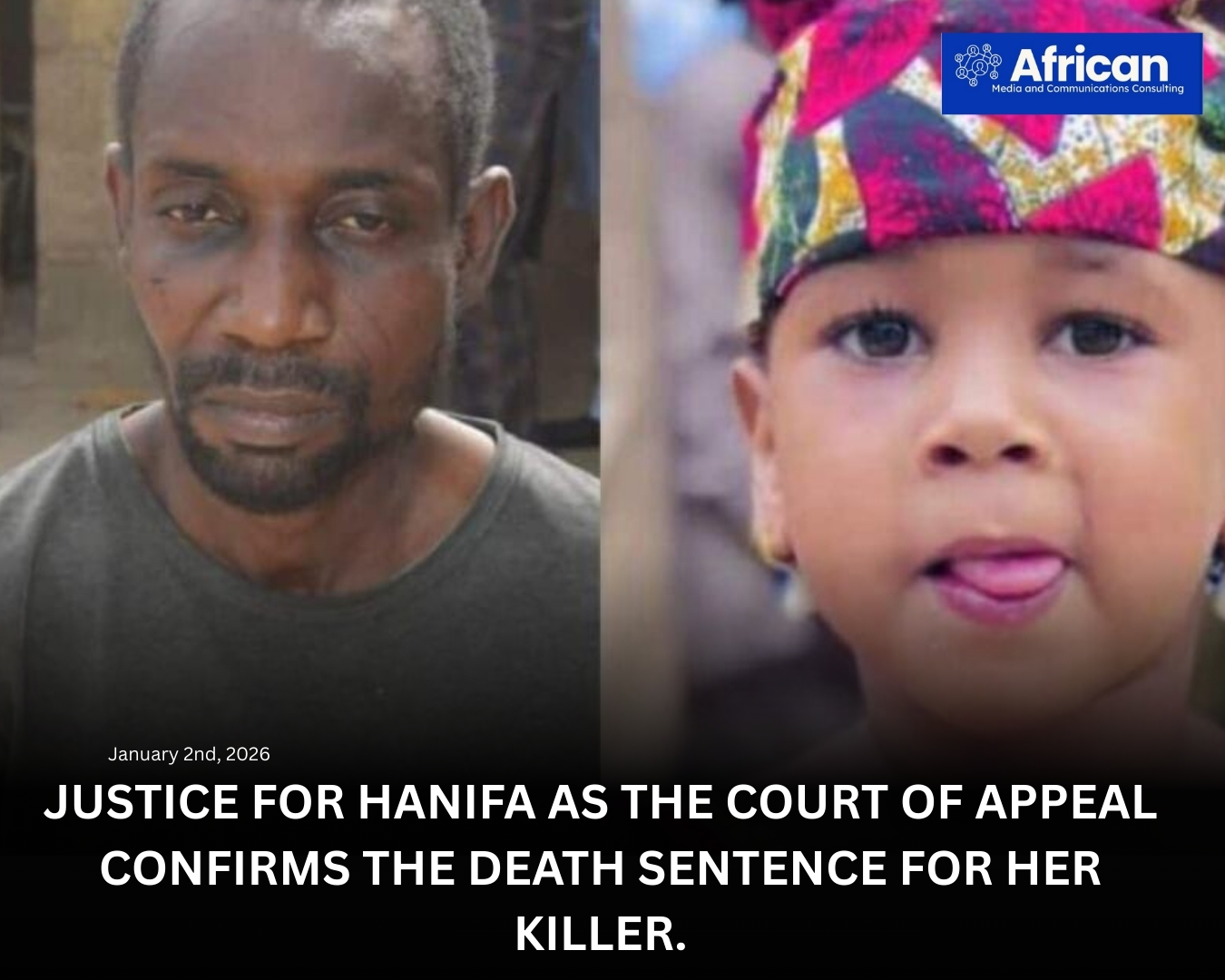
The recent case of Abdulmalik Tanko, the abductor and murderer of 5-year-old Hanifa Abubakar, highlights the urgent need for the Nigerian government to take a more proactive and decisive approach to combat kidnapping.
This tragic incident, which involved the abduction of an innocent child by a school proprietor, serves as a stark reminder of the growing threat posed by kidnappers in the country.
The Court of Appeal’s decision to uphold the death sentence for Tanko not only brings some form of justice to the victim’s family but also sends a strong message about the gravity of kidnapping as a crime. However, while justice is being served in this particular case, the overall issue of kidnapping remains widespread and continues to plague Nigerian society. There is a clear need for the government to address the root causes and the growing prevalence of this crime.
One of the major factors contributing to the rise of kidnapping in Nigeria is the perceived lack of strong deterrents. Although the law prescribes severe punishment for kidnapping, including the death penalty in extreme cases, these punishments are often not enforced consistently. The Nigerian government must strengthen its efforts to ensure that convicted kidnappers face the full consequences of their actions. This would not only serve as a deterrent but also send a message that such crimes will no longer be tolerated or taken lightly.
Another significant factor is the limited trust in the security forces. Many Nigerians feel that the police and other law enforcement agencies are not equipped or motivated enough to effectively tackle kidnapping syndicates. To reduce the appeal of kidnapping as a crime, the government must focus on improving the efficiency and credibility of law enforcement. This includes better training, more resources, and a focus on intelligence-gathering to dismantle criminal networks before they carry out their crimes.
Additionally, there is the issue of poverty and unemployment, which often push individuals toward criminal activities like kidnapping. While this does not justify the crime, addressing the underlying socio-economic factors that contribute to criminal behavior can reduce the pool of individuals willing to engage in such heinous acts.
Finally, the Nigerian government should focus on education and public awareness to highlight the consequences of kidnapping, not just for the victim, but for the community and the entire nation.
High-profile cases like Hanifa’s is an opportunity to engage the public in conversations about the devastating impact of kidnapping and why it is critical to report suspected activities.
Justice A. R. Muhammad dismissed Tanko’s appeal and affirmed the ruling of the Kano State High Court, which had sentenced him to death by hanging.
While the court’s decision in the Hanifa Abubakar case is a step toward justice, the government must take more serious and sustained actions to reduce the occurrence of kidnapping. This includes enforcing the law consistently, improving security, addressing socio-economic issues, and educating the public. Only then can we hope to eradicate the growing interest in kidnapping and bring an end to this violent epidemic.
#EndKidnapping #JusticeForHanifa #NigeriaNeedsAction #StopTheCrime #AfricanMedia















Leave a Reply