
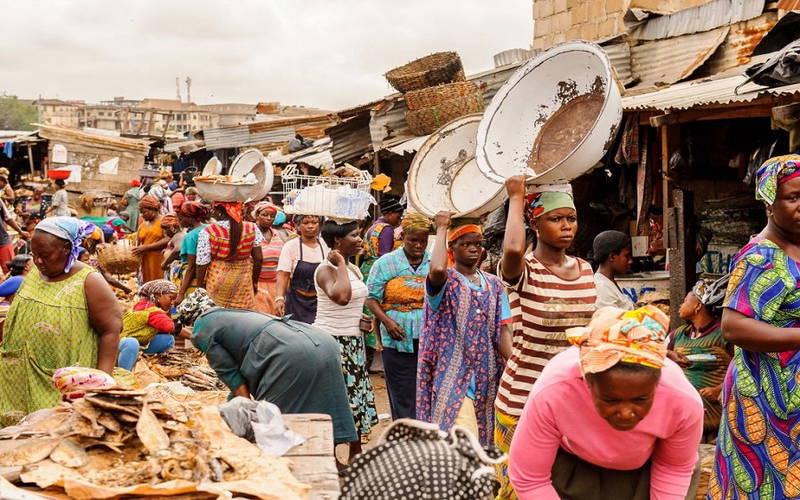
The Federal Government of Nigeria has allocated less than one percent of its proposed ₦58.47 trillion 2026 budget to poverty alleviation, sparking alarm among economists, civil society groups, and the public.
Budget documents reveal that only about ₦206.5 billion, roughly 0.35% of total spending has been earmarked for poverty-related programmes, largely scattered across service-wide votes rather than concentrated in targeted interventions.
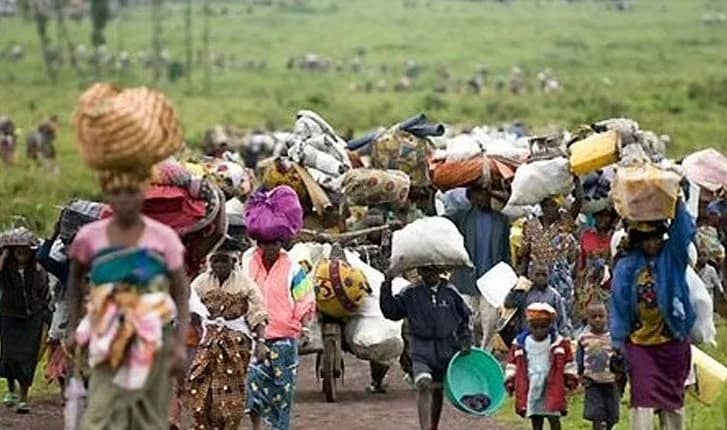
This comes as poverty levels in Nigeria continue to rise. Economic projections suggest that by 2026, nearly 62% of Nigerians, around 141 million people could be living below the poverty line if stronger social protection measures are not implemented.
Analysts warn that the current allocation is grossly inadequate to address growing unemployment, rising costs of living, and declining household incomes.
Critics also question whether the funds will directly benefit vulnerable citizens, noting that a significant portion may be diverted to infrastructure projects, equipment procurement, or constituency-linked initiatives.
Civil society organisations caution that continued underfunding of welfare programmes could deepen inequality, spark social unrest, and threaten long-term economic stability, urging lawmakers to prioritise direct interventions such as cash transfers, food support, and youth employment schemes.
With poverty projected to affect millions of Nigerians, can a budget allocating less than one percent to alleviation realistically make a meaningful impact?
#NigeriaBudget #PovertyCrisis #EconomicPolicy #AfricanMedia










Leave a Reply